2026 Flooring Color Trends
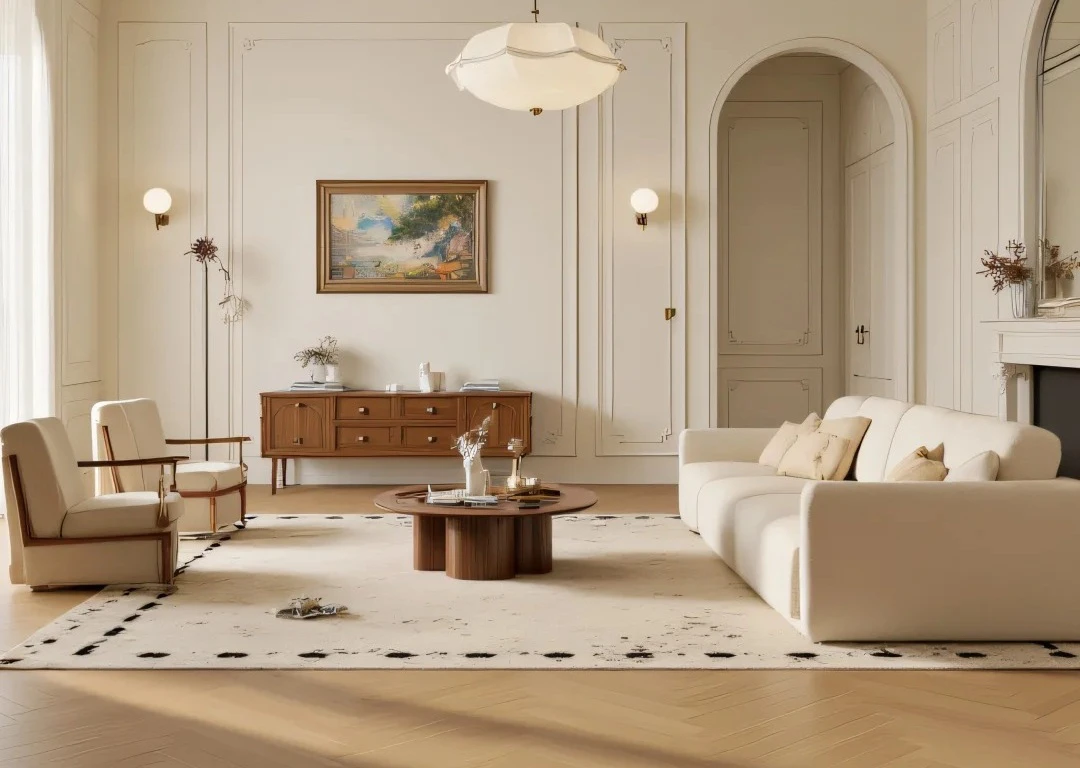
In 2026, flooring colors are dominated by natural, low-saturation, warm wood tones and gray hues. The core trends fall into three major categories: Natural Warm Wood Tones, Warm Gray Undertones, and Vintage Deep Brown — emphasizing a sense of healing, versatility, and eco-friendly texture.
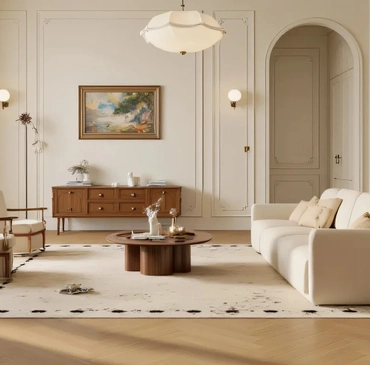
Natural Warm Wood Tones: These include natural oak, light honey, wheat yellow, and caramel. They are the top choice for log-style, cream-style, Nordic, and Japanese interiors — visually warm and airy, ideal for small spaces or rooms with limited natural light. This category continues to dominate the mass market.
Warm Gray Undertones: Not cold grays, but warm grays with yellow, brown, or beige bases (e.g., warm gray oak, smoked oak). They offer a modern yet cozy feel, fitting well with light luxury, wabi-sabi, and neo-Chinese styles, while avoiding the coldness of industrial design.
Vintage Deep Brown: Including chocolate brown, deep caramel, and reddish walnut tones. These are used to convey a sense of solidity and sophistication, often seen in large homes, Italian light luxury, or American-style spaces — requiring good lighting. This category has seen a resurgence in the high-end market in recent years.
Light Tones (Off-white, Oatmeal): While not the "hottest" colors of 2026, they remain widely used as versatile neutral bases in minimalist and French cream-style interiors. They enhance brightness, especially when coordinated with light-colored walls and soft furnishings.
Decline of Gray Tones: Pure cold grays (such as cement gray or slate gray) have noticeably faded out of fashion by 2025–2026, replaced by "grays with warm undertones." This shift is driven by home aesthetics moving toward "biophilic design" and emotional healing.
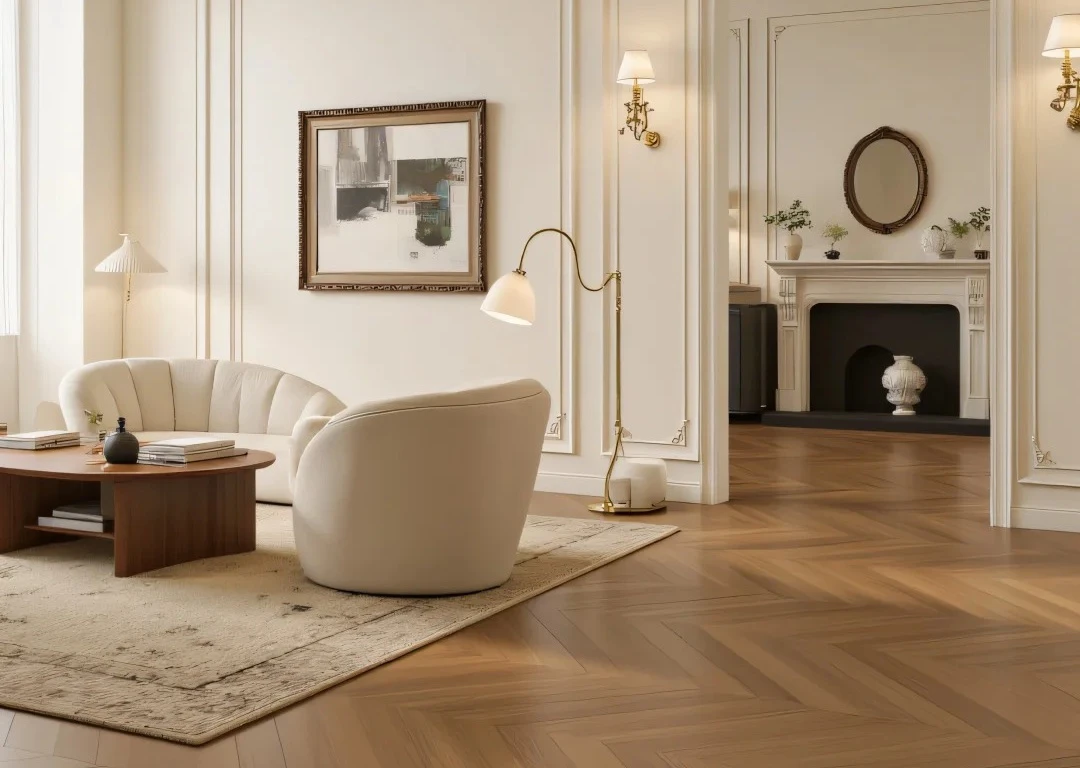
The current trend downplays high-contrast, strongly industrial colors (e.g., pure black, bright white, cold gray), while emphasizing natural wood grain textures, matte or soft-matte finishes, and eco-friendly manufacturing processes (such as hard wax oil finishes and UV-cured finishes). In the tile sector, there is a parallel shift toward light, warm wood-look tiles (e.g., French oak, Andean walnut), aligning with the popular wood flooring colors.
When choosing flooring, consider the room's lighting (lighter colors for darker spaces, darker colors for brighter spaces), the function of the space (living rooms favor versatile tones, bedrooms lean toward warm tones), and the overall style (Nordic styles suit warm wood, industrial styles suit warm grays, light luxury styles suit deep browns). Avoid blindly chasing trends without regard for practicality and long-term visual appeal.